Depression
Depression can affect how you think, feel, and experience everyday life. It may leave you feeling persistently low, emotionally numb, exhausted, or disconnected from the things and people you once enjoyed. Simple tasks can start to feel overwhelming, and it may seem difficult to see hope or motivation for the future.
Through a compassionate and supportive approach, We can help you explore the thoughts and patterns that contribute to depression. Together, we work to gently rebuild confidence, improve emotional resilience, and develop practical tools that better equip you with managing emotional hurdles.
You don’t have to face depression alone. Support is available, and healing is possible.
Generalized Anxiety Disorder
Generalized Anxiety Disorder involves ongoing, excessive worry that can feel difficult to control. You may find yourself constantly thinking about “what if” scenarios, feeling tense or restless, or experiencing physical symptoms such as fatigue, tightness in the chest, or difficulty sleeping.
We offer a calm space to understand your anxiety and learn ways to reduce its impact on your daily life. By identifying unhelpful thought patterns and building healthier coping strategies, you can begin to feel more grounded, balanced, and in control.
Therapy can help reduce mental overwhelm, ease anxious feelings, and support a more balanced and steady state of mind.
Panic Disorder
Panic Disorder is characterised by sudden and intense episodes of fear or discomfort that can feel frightening and unpredictable. These panic attacks may include physical sensations such as a racing heart, shortness of breath, dizziness, or a fear of losing control.
We provide a safe and supportive space to understand what triggers panic and how it affects your body and mind. By learning practical techniques to manage symptoms and reduce fear around panic attacks, you can begin to regain confidence and feel more in control of your life.
Panic does not define you, and understanding how it works can significantly reduce its impact on your life.
Trauma
Trauma can develop after experiencing or witnessing events that feel overwhelming or deeply distressing. Its effects may show up in many ways, including emotional numbness, anxiety, difficulty trusting others, or feeling constantly on edge.
We offer a gentle and respectful approach to processing traumatic experiences at a pace that feels safe for you. Together, we work to help your nervous system settle, rebuild a sense of safety, and support healing without re-traumatisation.
Recovery from trauma is possible, and support can help you reconnect with yourself and the present moment.
Post-Traumatic Stress Disorder (PTSD)
Post-Traumatic Stress Disorder can occur after experiencing a traumatic event and may involve intrusive memories, flashbacks, nightmares, or heightened alertness. You may feel as though the past is still very present, making everyday life feel exhausting or overwhelming.
We can help you understand how trauma affects the brain and body and support you in developing tools to manage symptoms. With a compassionate, structured approach, it becomes possible to reduce distress, regain emotional balance, and feel safer in your day-to-day life.
Healing is about integrating past experiences in a way that allows you to live more fully in the present.
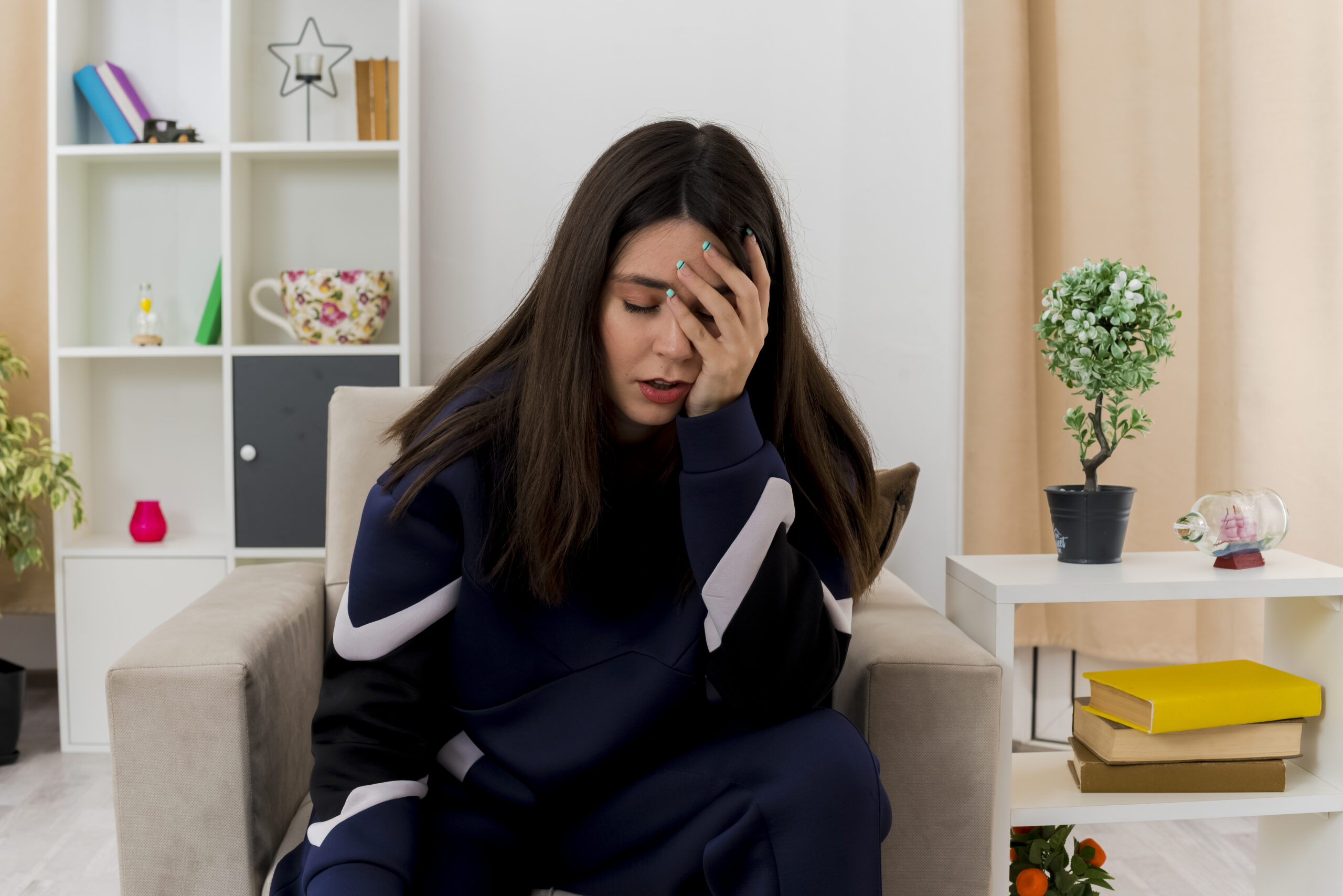
Social Anxiety
Social Anxiety involves an intense fear of being judged, embarrassed, or negatively perceived by others. You may avoid social situations, struggle with self-confidence, or replay interactions repeatedly in your mind.
We can help you gently challenge unhelpful thought patterns and build confidence in social situations. By developing coping strategies and self-compassion, it becomes easier to feel more comfortable, authentic, and connected with others.
You deserve to feel at ease and accepted for who you are.
Health Anxiety
Health Anxiety is characterised by ongoing worry about physical health, often involving fears of serious illness despite medical reassurance. You may frequently check your body, search symptoms online, or feel heightened anxiety around medical appointments.
We help you to understand the cycle of health-related worry and develop healthier ways to respond to physical sensations and anxious thoughts. By learning to reduce reassurance-seeking behaviours and manage uncertainty, you can regain peace of mind and trust in your body.
A calmer relationship with your health can develop through understanding and reassurance.
Specific Phobia
A specific phobia involves an intense fear of a particular object or situation, such as heights, flying, needles, animals, or enclosed spaces. Even when the fear feels irrational, it can be overwhelming and lead to avoidance that interferes with daily life.
We provide a supportive environment to gently understand and reduce these fears. Using evidence-based techniques, we work at your pace to help you feel safer, more confident, and less restricted by avoidance.
It is possible to regain a sense of freedom and feel more in control of daily life.
Agoraphobia
Agoraphobia often involves fear of being in situations where escape may feel difficult or help may not be available. This can include crowded places, public transport, open spaces, or leaving home altogether. Over time, life can begin to feel increasingly limited.
We offer a calm and structured approach to understanding these fears and reducing avoidance. By gradually rebuilding confidence and learning practical coping strategies, it becomes possible to reconnect with the world and move forward at a pace that feels manageable.
You deserve to live a life that feels open, safe, and fulfilling.
Long Term Conditions
Living with a long-term health condition can have a significant emotional impact. Ongoing symptoms, uncertainty, pain, or lifestyle changes may lead to stress, low mood, anxiety, or feelings of loss and frustration.
We provide a space to explore the emotional challenges of long-term conditions and develop tools to improve coping and resilience. By addressing both physical and emotional wellbeing, it is possible to feel more empowered, balanced, and supported in everyday life.
You are not defined by your condition, and emotional support can make a meaningful difference.
Persistent Stress
Stress is a natural response to the demands of daily life, but when it becomes persistent or overwhelming, it can affect your thoughts, emotions, and physical health. You may notice difficulty concentrating, irritability, tension, or trouble sleeping.
We provide a safe space to explore the sources of stress and develop practical strategies to manage its impact. By learning coping techniques and building resilience, it becomes possible to navigate life’s challenges more effectively and feel more balanced in your day-to-day routine.
Obsessive Compulsive Disorder
Obsessive-Compulsive Disorder (OCD) is when persistent, unwanted thoughts, images, or urges cause anxiety, along with repetitive behaviors or mental rituals performed to reduce that anxiety. These thoughts can involve fears about contamination, harm, mistakes, or things needing to feel “just right,” Whilst repetitive behaviours include excessive cleaning, checking, counting, arranging, or seeking reassurance that may shift the anxiety in the moment but does not fully eliminate it.
We work collaboratively and at your pace to help you understand how OCD operates, gradually face feared situations, and reduce the behaviours that keep the cycle going. Our approach is compassionate, practical, and tailored to your individual experiences, whether your symptoms involve intrusive thoughts, checking, contamination fears, or mental rituals. With compassionate support and practical strategies, meaningful and sustainable progress can be achieved — and we will be alongside you throughout the entire process.
Low Self Esteem
Low self-esteem can affect how you see yourself, relate to others, and cope with everyday challenges. It may lead to self-criticism, self-doubt, or feeling “not good enough,” even when there is little evidence to support these beliefs.
Together, we explore unhelpful thought patterns, build self-compassion, and develop healthier ways of relating to yourself, supporting a more balanced and confident sense of self over time.

















Social Anxiety